Mobile payments in Africa: what they are and why they matter
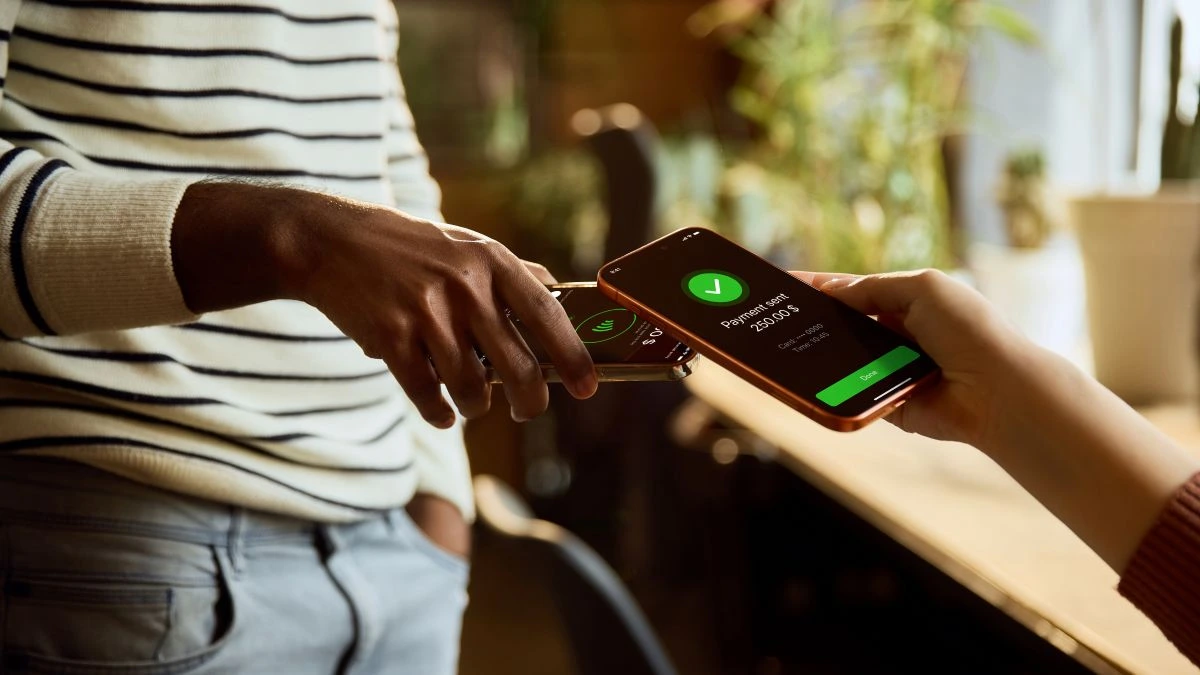
In many regions, they are not just an alternative to traditional banking—they are the primary financial infrastructure. For businesses, understanding mobile payments Africa is essential to grasp how consumers transact, how financial inclusion is expanding, and how digital commerce is evolving across one of the fastest-growing mobile-first markets in the world. This is particularly relevant when evaluating the broader African payment system landscape, where mobile-first adoption defines how financial services are accessed and used.
What are mobile payments in Africa?
Mobile payments in Africa refer to financial transactions conducted through mobile phones, often without requiring a traditional bank account. These systems allow users to transfer money, pay merchants, receive salaries, and access financial services using mobile networks.
They typically operate through:
- USSD codes (for feature phones)
- Mobile apps
- SMS-based systems
- QR code payments
- Mobile wallets linked to telecom operators
Unlike card-based systems, African mobile payment systems are designed for accessibility in environments where banking infrastructure may be limited but mobile penetration is high. This makes them closely tied to modern payment methods used across emerging markets.
What is mobile money in Africa?
Mobile money in Africa is a subset of mobile payments that allows users to store and manage money in a digital wallet linked to their mobile phone number. It is one of the most widely adopted financial technologies across the continent.
In practice, mobile money enables:
- Peer-to-peer transfers
- Cash-in and cash-out via agents
- Bill and utility payments
- Merchant payments
- Cross-border remittances in some corridors
Mobile money systems such as M-Pesa in Kenya and similar services across West and Central Africa have become central to daily financial activity.
According to the World Bank, mobile money has significantly expanded access to financial services in regions with limited banking infrastructure, accelerating financial inclusion across emerging economies.
Why mobile payments are growing across Africa
The growth of mobile payments in Africa is driven by structural and technological factors that make mobile devices the most accessible financial tool.
Mobile-first access to financial services
In many African markets, mobile phones are the primary gateway to digital services. This mobile-first environment means users are more likely to adopt mobile payment systems than traditional banking products.
Key drivers include:
- High mobile penetration rates
- Widespread use of feature phones and smartphones
- Rapid adoption of digital commerce
- Convenience of instant transactions
Limited access to traditional banking
A significant portion of the population in several African countries remains unbanked or underbanked. Traditional banking infrastructure can be limited in rural areas or expensive to access.
Mobile payments solve this gap by:
- Removing the need for physical bank branches
- Enabling instant onboarding via SIM registration
- Reducing transaction costs for users
- Providing financial access through telecom networks
Main mobile payment systems in Africa
African mobile payment systems are diverse and often country-specific, reflecting different regulatory environments and telecom partnerships.
Some of the most relevant systems include:
- M-Pesa (Kenya, Tanzania)
- MTN Mobile Money (West and Central Africa)
- Airtel Money (multiple African markets)
- Orange Money (Francophone Africa)
- EcoCash (Zimbabwe)
These platforms function as closed-loop or semi-open ecosystems where users can store funds, transfer money, and pay merchants. Unlike card networks, mobile money systems are deeply integrated into local telecom infrastructure, making them highly resilient and widely accessible.
Mobile payments and financial inclusion in Africa
Mobile payments in Africa play a critical role in advancing financial inclusion. By providing financial services through mobile phones, they reduce barriers for millions of users.
Key impacts include:
- Increased access to formal financial services
- Improved ability to save and transfer money securely
- Reduced reliance on cash-based economies
- Greater participation in digital commerce
- Empowerment of rural and informal workers
The World Bank highlights that mobile money has been one of the most effective tools for expanding financial inclusion in low- and middle-income economies, particularly in Sub-Saharan Africa.
Benefits and challenges of African mobile payments
Mobile payments in Africa offer significant advantages, but also face structural challenges.
Benefits:
- Instant peer-to-peer transactions
- Low entry barriers for users
- Wide accessibility via mobile networks
- Strong adoption in informal economies
- Support for digital commerce growth
Challenges:
- Fragmented regulatory environments across countries
- Interoperability limitations between providers
- Reliance on telecom infrastructure
- Cash-in/cash-out dependency in some regions
- Cross-border payment inefficiencies
Despite these challenges, adoption continues to grow due to strong user demand and ecosystem innovation.
The future of mobile payments in Africa
The future of mobile payments in Africa is closely linked to broader trends in digital finance, interoperability, and cross-border commerce. Key developments include:
- Expansion of interoperable payment systems between countries
- Growth of real-time payment infrastructure
- Increased integration with global digital platforms
- Regulatory support for fintech innovation
- Convergence between mobile money and traditional banking
As infrastructure improves, mobile payment systems are expected to become more interconnected, enabling smoother regional trade and financial flows.
FAQs about mobile payments in Africa
Why are mobile payments important for digital businesses in Africa?
Mobile payments are essential because they are the primary method of transaction for millions of users. Digital businesses that support mobile money systems can significantly increase conversion rates and reach previously unbanked customers.
How do mobile payments support cross-border commerce in Africa?
Mobile payments enable cross-border transfers through regional partnerships and remittance corridors. However, interoperability between systems is still developing, making integration with multiple providers important for businesses operating across markets.
What should companies know before entering mobile-first African markets?
Companies should understand that mobile money is often more widely used than cards or bank accounts. Payment strategies must prioritize mobile wallets, agent-based cash systems, and local telecom integrations.
Why do African mobile payments matter for financial inclusion and digital growth?
They provide access to financial services for populations that are traditionally underserved by banks, enabling participation in digital economies, e-commerce, and formal financial systems.
References
World Bank. (2023). The Global Findex Database: Financial inclusion insights. https://www.worldbank.org/en/publication/globalfindex
International Monetary Fund. (2023). Digital money and financial inclusion in emerging markets. https://www.imf.org
Bank for International Settlements. (2023). Innovations in retail payment systems. https://www.bis.org
African Development Bank. (2023). Financial inclusion and digital transformation in Africa. https://www.afdb.org

Recent Posts