
FPX Payment Method

FPX payment is a Malaysia-based online banking method that lets customers pay directly from their bank accounts via internet banking authentication. It’s widely used in Malaysia for e-commerce and digital services, and it’s typically implemented as a redirect flow where customers select their bank, authenticate, and return to the merchant site for confirmation.
fpx payment method
Type:
Bank transfer
Consumer  
countries:
Malaysia
Currencies:
MYR

Why offering FPX payment in your payment gateway?

FPX is a bank-trusted rail in Malaysia that helps merchants reach customers who prefer to pay through online banking rather than cards or wallets. For platforms operating in Malaysia, adding FPX can increase local acceptance and reduce friction for bank-led customer segments, especially in high-intent checkout moments.

Bank-trusted payments in Malaysia

FPX is built around customers authenticating directly with their bank, which makes the flow familiar to Malaysian users who already rely on internet banking for payments. This “bank-login” experience is a key reason FPX remains one of the most common online payment methods in the market.

High approval, low dispute risk

Because FPX payments require the customer to authenticate with their bank, fraud and “unrecognized payment” risk is typically lower than card-not-present flows. FPX doesn’t support chargeback-style disputes in the same way card rails do, which changes the dispute profile for merchants.

Faster confirmation for fulfilment

FPX is described as a real-time transfer method with immediate payment confirmation after authorization, which is valuable for digital fulfilment and time-sensitive order flows. This can help merchants move to fulfilment faster compared to slower, manual bank transfer experiences.

One integration, many banks

FPX connects to a broad set of participating banks under one scheme, so merchants can cover multiple major Malaysian banks without building separate bank-specific integrations. PayNet’s support listing currently includes 22 participating banks (subject to updates).
Bank-trusted payments in Malaysia
FPX is built around customers authenticating directly with their bank, which makes the flow familiar to Malaysian users who already rely on internet banking for payments. This “bank-login” experience is a key reason FPX remains one of the most common online payment methods in the market.
High approval, low dispute risk
Because FPX payments require the customer to authenticate with their bank, fraud and “unrecognized payment” risk is typically lower than card-not-present flows. FPX doesn’t support chargeback-style disputes in the same way card rails do, which changes the dispute profile for merchants.
Faster confirmation for fulfilment
FPX is described as a real-time transfer method with immediate payment confirmation after authorization, which is valuable for digital fulfilment and time-sensitive order flows. This can help merchants move to fulfilment faster compared to slower, manual bank transfer experiences.
One integration, many banks
FPX connects to a broad set of participating banks under one scheme, so merchants can cover multiple major Malaysian banks without building separate bank-specific integrations. PayNet’s support listing currently includes 22 participating banks (subject to updates).
20+
major Malaysian banks connected to FPX
Nearly 90 million
FPX transactions were recorded in 2018
Hundreds of thousands
of FPX payments daily

Features & specifications of FPX payment

Payment type:
Bank transfer
Coverage:
Consumer:
Malaysia
Merchant:
Global
Currencies:
Consumer:
MYR
Settlement:
Preferred currency

Payment flow

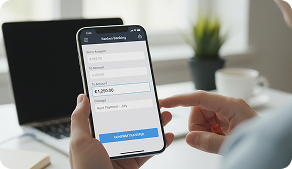
This is how the FPX Payment flow looks like:
1

Customer selects FPX at checkout (often labelled as “Online banking (FPX)” or “FPX payment method”).

2

Customer chooses their bank from the list of participating banks.

3

Customer is redirected to the bank’s internet banking login/authorization environment and authenticates the payment (commonly with step-up authentication such as OTP, depending on bank).

4

Customer receives confirmation and is typically redirected back to the merchant site/app where the order status updates.

See how FPX payment works

FPX works like an online banking checkout layer: the customer selects FPX, picks their bank, authenticates within their bank’s internet banking flow, and the merchant receives an immediate confirmation to complete the purchase, making it a practical option for Malaysia-focused e-commerce where customers trust bank-authorised payments.

Contact Us

Frequently Asked Questions

Is FPX payment safe for online transactions in Malaysia?

FPX transactions are customer-authenticated through the user’s bank environment, meaning the customer must log in and authorise the payment. This reduces the likelihood of unauthorised payments compared to non-authenticated online flows.

FPX vs DuitNow: what are the key differences?

At a scheme level, FPX is primarily an online banking (bank transfer) flow where customers select a bank and authenticate via internet banking, while DuitNow is commonly implemented via interoperable QR and wallet-led experiences.

FPX vs credit cards: which one is better for merchants?

FPX can be advantageous when you want bank-authenticated checkout and a different risk/dispute profile than cards (FPX is not a card network product). Cards can be stronger for global reach and subscription billing, while FPX is often strongest for Malaysia-local conversion where customers prefer internet banking.

What are the system requirements for FPX integration?

Most FPX integrations require: (1) a redirect-capable checkout UX, (2) bank selection handling, (3) secure return URLs, and (4) robust status handling because the final confirmation depends on the bank authorization outcome. In practice, gateways also standardise logging and reconciliation fields for finance operations.

How long does FPX settlement take for merchants?

FPX processes payments such that funds are debited from the customer’s bank account and credited to the merchant’s account with immediate confirmation once authorised. However, the availability of those funds in the merchant’s settlement account is determined by the payout and settlement schedule of the merchant’s acquiring bank or gateway provider, which can be next working day or later.

Does FPX support recurring payments or subscriptions?

FPX is generally a one-time payment method, so recurring payments are not available.

Is FPX suitable for cross-border merchants selling into Malaysia?

Yes, FPX is designed to serve customers in Malaysia paying from Malaysian banks in MYR, which makes it useful for cross-border merchants that localise checkout for Malaysia (pricing in MYR and offering Malaysia-native methods). It’s best positioned as a local acceptance method for Malaysia, not as a cross-border A2A transfer rail.

Other related Payment Methods:

DuitNow

DuitNow is a real-time payment system in Malaysia that enables instant bank transfers and QR-based payments, allowing merchants to accept secure and immediate transactions across multiple participating banks and wallets.
See DuitNow Payment Method

Touch 'n Go

Touch 'n Go is a digital payment system in Malaysia that allows for fast and secure transactions both online and at physical points of sale, using an electronic wallet linked to the user's bank account.
See Touch´n´Go Payment Method

Grab Pay

Grab Pay is a digital payment platform used in Southeast Asia, allowing users to make secure and fast payments both in physical stores and online via the Grab app.
See Grab Pay Payment Method